
2nd Grade Equal Parts Resources

























About 2nd Grade Equal Parts Resources
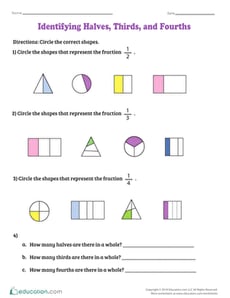
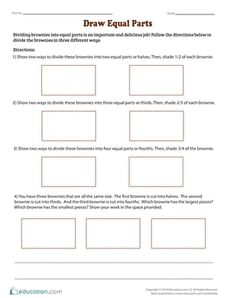
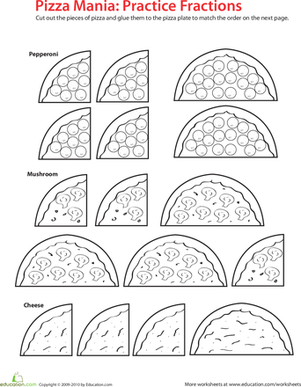
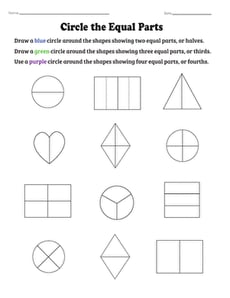
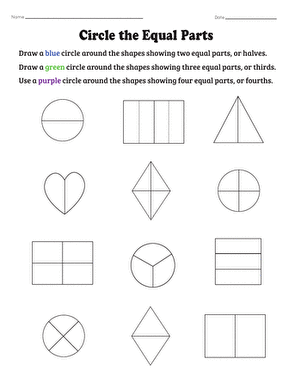
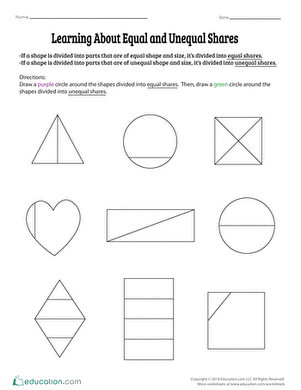
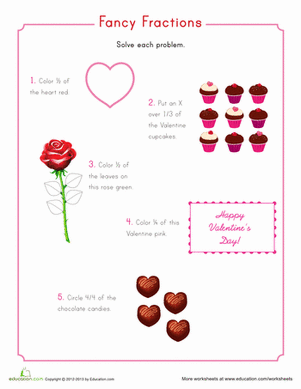
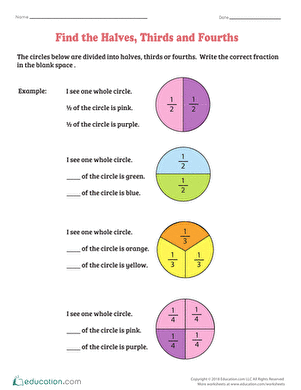
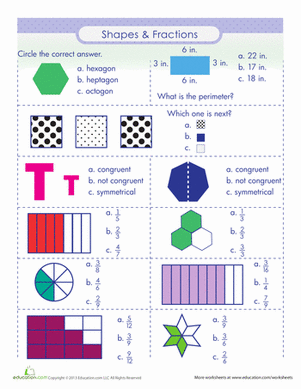
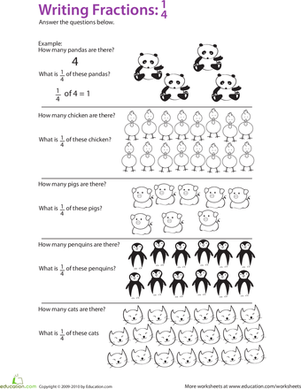
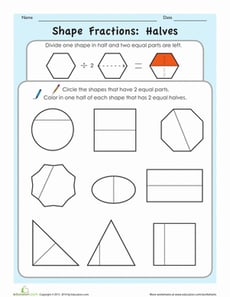
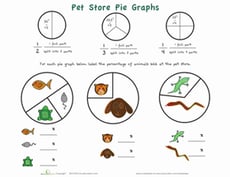
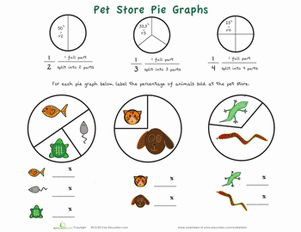
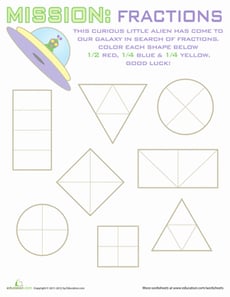
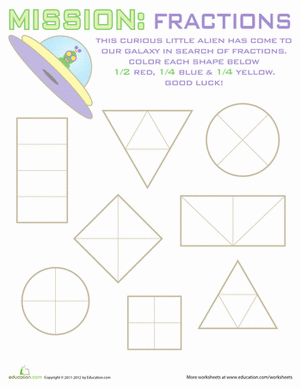
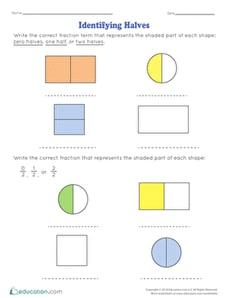
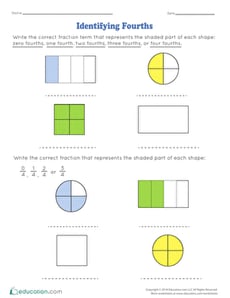
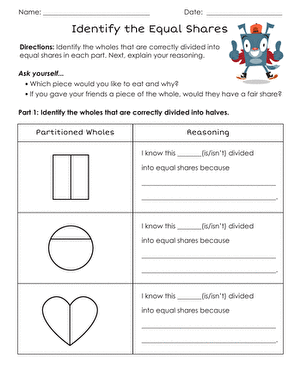
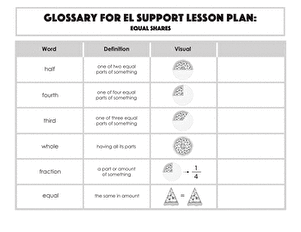
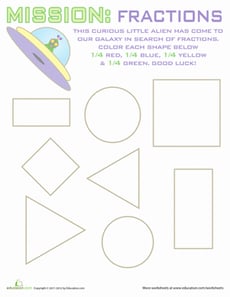
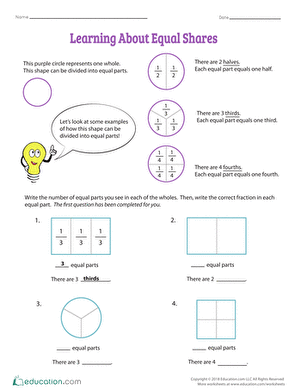
On Education.com, the 2nd Grade Equal Parts resources provide teachers and parents with activities to explore dividing shapes into equal parts. These include printable worksheets, digital lesson plans, and classroom projects that help children understand halves, thirds, and fourths. By practicing with visual exercises, students develop a strong foundation in spatial reasoning and fractions.
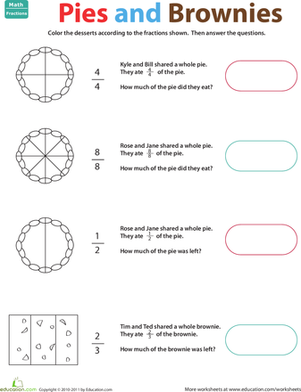
This page features hands-on activities like coloring division images, using fraction blocks, and online interactive games tailored for 2nd graders. Materials are designed to make learning about parts and wholes engaging and accessible, reinforcing mathematical concepts through visual and manipulative experiences. Educator and parent resources provide structured guidance for classroom and at-home instruction.
Using these educational materials saves time by offering ready-to-use lesson plans, worksheets, and interactive activities that build confidence with fractions. They support differentiated learning, allowing students to practice skills at their own pace while enjoying engaging exercises. This makes it easier for educators to incorporate fractions into math lessons and for parents to reinforce math skills outside the classroom.
This page features hands-on activities like coloring division images, using fraction blocks, and online interactive games tailored for 2nd graders. Materials are designed to make learning about parts and wholes engaging and accessible, reinforcing mathematical concepts through visual and manipulative experiences. Educator and parent resources provide structured guidance for classroom and at-home instruction.
Using these educational materials saves time by offering ready-to-use lesson plans, worksheets, and interactive activities that build confidence with fractions. They support differentiated learning, allowing students to practice skills at their own pace while enjoying engaging exercises. This makes it easier for educators to incorporate fractions into math lessons and for parents to reinforce math skills outside the classroom.