
2nd Grade Nonfiction Text Features Resources























About 2nd Grade Nonfiction Text Features Resources
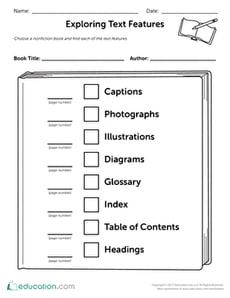
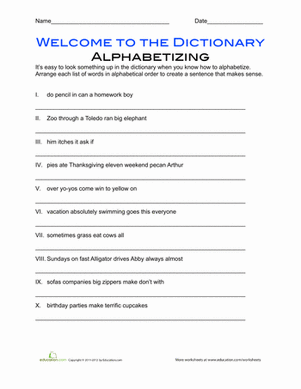
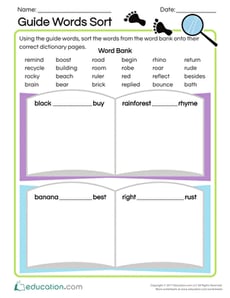
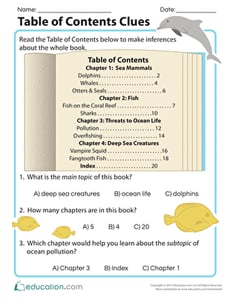
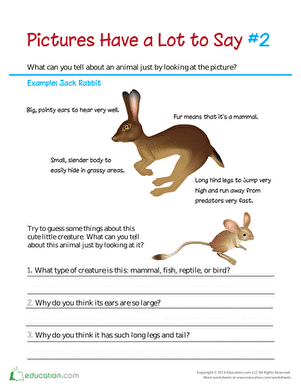
On Education.com, explore a variety of 2nd grade nonfiction text features resources, including printable worksheets, interactive lessons, and classroom activities. These materials help young students recognize and understand the structure and elements of nonfiction texts, such as headings, captions, bold print, and diagrams. Clear explanations and engaging exercises make it easier for educators and parents to build reading comprehension skills in young learners.
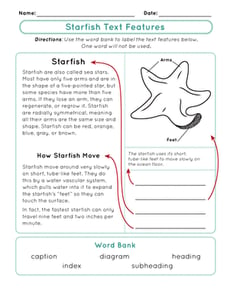
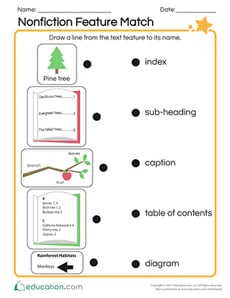
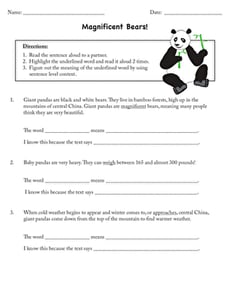
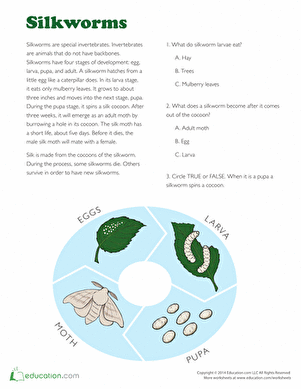
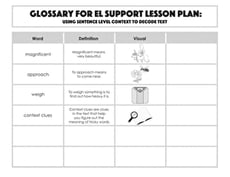
This page provides structured activities like worksheets highlighting text features, lessons using real-world books, and printable guides that encourage students to identify and explain nonfiction elements. These resources support reading fluency and comprehension while making learning interactive and fun. Offering worksheets and lesson plans makes it easy to integrate nonfiction instruction into daily practice or classroom routines.
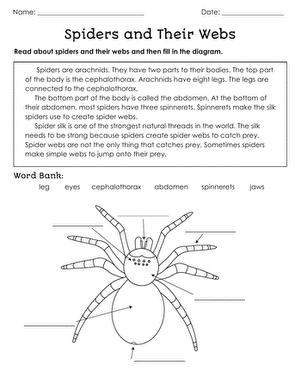
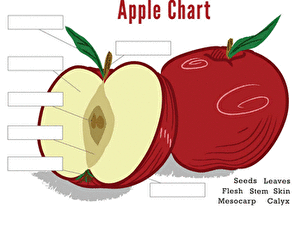
Educators and parents can use these practical activities to reinforce understanding of nonfiction text features, develop critical thinking skills, and enhance reading confidence. From identifying headings to analyzing diagrams, young learners gain foundational skills for comprehending complex informational texts. Structured resources like printable materials and activity guides save time and provide ready-made supports for teaching essential reading strategies.
This page provides structured activities like worksheets highlighting text features, lessons using real-world books, and printable guides that encourage students to identify and explain nonfiction elements. These resources support reading fluency and comprehension while making learning interactive and fun. Offering worksheets and lesson plans makes it easy to integrate nonfiction instruction into daily practice or classroom routines.
Educators and parents can use these practical activities to reinforce understanding of nonfiction text features, develop critical thinking skills, and enhance reading confidence. From identifying headings to analyzing diagrams, young learners gain foundational skills for comprehending complex informational texts. Structured resources like printable materials and activity guides save time and provide ready-made supports for teaching essential reading strategies.