Activity
Solids, Liquids, Maple Syrup!
On your mark, get set, pour! Your first grader has probably already noticed that some liquids, such as pancake syrup, pour slower than liquids like water. While this topic is always fun (and a little sticky) to explore in the kitchen or at mealtimes, it’s good first grade science, too. In fact, a common core topic in early elementary school science is the difference between solid and liquid states of matter. And you don’t need any fancy lab equipment to learn about it. Use the activity below to help your budding scientist become familiar with the properties of liquids and solids.
What You Need:
- Plastic bottles
- Assorted liquids (water, syrup, dish detergent)
- Assorted solids (wooden blocks and pieces of plastic and metal)
- Basin or sink
- Pure maple syrup
- Heavy saucepan
- Journal or notebook
What You Do:
- Show your child the liquids you’ve assembled. Have her to name and describe the appearance of each liquid. Use a special journal to write down her descriptions.
- Now fill the water bottles with each liquid and pour each liquid from one bottle to another empty bottle. Be sure to write down her observations. Your child may notice that liquids pour and flow and liquids take on the shape of the container that holds them.
- Gather up the solid objects you've accumulated and have your child name and describe each one. Ask her what she would like you write down in her "scientific journal." As she examines each solid, help your child name different properties (hard, soft, etc.) of the solid objects. She can write some of the words in the journal herself.
- Compare and contrast! Encourage your child to compare the two states of matter and list the ways solids and liquids are alike and different.
- Now it’s time for some culinary fun. Pour one cup of maple syrup into a small, heavy saucepan. Heat it over medium heat, stirring constantly, and let your first grader help. Make sure to use a long-handled spoon to minimize any spatters on your child. Hot sugar syrup can hurt!
- Gently boil the maple syrup for about ten minutes, and then invite your child to see what’s going on. Has the syrup changed? Is it thicker? That’s because some of the water in the syrup has boiled off!
- Now put the syrup back over the heat and gently boil again for another 10-15 minutes. Be careful to keep the syrup from burning the bottom of the pan! Observe the sweet development: the sugar will crystallize into a soft, solid, scrumptious maple sugar.
- Yummy knowledge! After all this scientific inquiry, your child can probably explain quite clearly the differences between solids and liquids -- unless she’s enjoying a mouthful of maple sugar candy. In that case, we recommend that everyone has a bite, too.
- Don't forget to save! Keep your child's "scientific journal" for other experiments down the road. Not only will she love showing it off to family and friends, it will also inspire her to want to learn more about science.
Related learning resources
Maple Butter
Activity
Maple Butter
From Canada's flag, to the Toronto Maple Leafs, to classic maple syrup cookies, the maple tree is very much a part of Canadian heritage.
Kindergarten
Activity
Matter Mixup: Drawing Solids, Liquids, and Gases
Worksheet
Matter Mixup: Drawing Solids, Liquids, and Gases
Kids draw examples of solids, liquids, and gases in this 1st grade physical science worksheet that focuses on the states of matter.
2nd Grade
Science
Worksheet
Matter Mixup: Writing Solids, Liquids, and Gases
Worksheet
Matter Mixup: Writing Solids, Liquids, and Gases
Kids write down examples of solids, liquids, and gases in this 1st grade physical science worksheet that focuses on the states of matter.
1st Grade
Science
Worksheet
States Of Matter: Identifying Solids, Liquids, and Gases
Lesson plan
States Of Matter: Identifying Solids, Liquids, and Gases
Use this lesson to show your students the different types of solids, liquids, and gases. Show them how a solid turns into a liquid and how a liquid turns into a gas by using real life examples.
2nd Grade
Science
Lesson plan
Classify Solids and Liquids
Interactive Worksheet
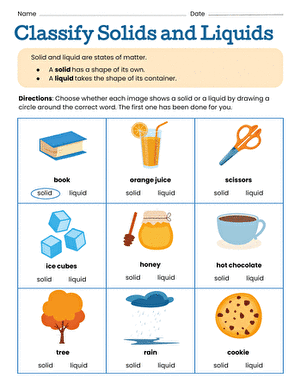
Classify Solids and Liquids
...Students will read brief definitions of solids and liquids....
Science
Interactive Worksheet
Gluep: Solid or Liquid?
Activity
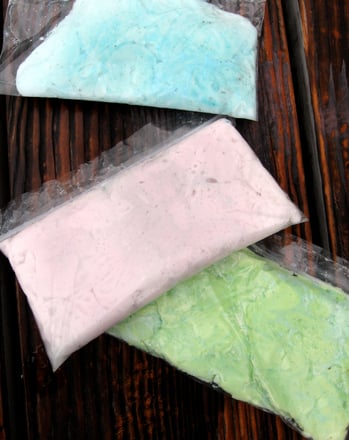
Gluep: Solid or Liquid?
Explore solids and liquids with your young scientist by making gluep, a goopy substance that can behave like both a solid and a liquid!
Science
Activity
Maple Leaf Coloring Page
Worksheet
Maple Leaf Coloring Page
Here's a coloring page that will make Canadians happy -- big Maple leaves!
Kindergarten
Worksheet
Maple Tree Coloring Page
Worksheet
Maple Tree Coloring Page
Get into the season with this fall-themed coloring page of a maple tree losing its leaves.
Kindergarten
Worksheet
Classify Solids, Liquids, and Gases
Interactive Worksheet
Classify Solids, Liquids, and Gases
...If learners need a review on solids and liquids, check out the Classify Solids and Liquids worksheet....
Science
Interactive Worksheet
Make Corn Syrup Art
Activity
Make Corn Syrup Art
Here's an arts and crafts activity for preschoolers: try finger painting with corn syrup and food coloring to make bright, colorful works of art.
Preschool
Activity
Bake a Batch of Maple Leaf Pancakes
Activity
Bake a Batch of Maple Leaf Pancakes
You and your fourth grader can pay homage to the 2010 Winter Olympics held in Vancouver, Canada, by baking up a batch of maple leaf pancakes!
4th Grade
Activity
Melting, Freezing and Boiling Points of Liquids
Activity
Melting, Freezing and Boiling Points of Liquids
This project compares different liquids and the freezing, melting and boiling points of liquids.
Math
Activity