Common Core Fractions Exercises
Common Core Quick Links:
Common Core State Standards
Common Core Fractions Exercises
Common Core Quick Links:
Common Core State Standards44 results
Math
✕Exercises
✕Common Core
✕44 results









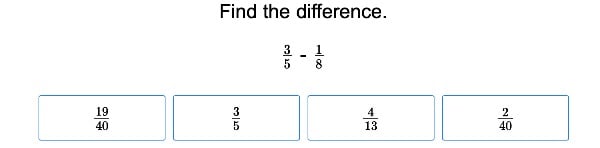

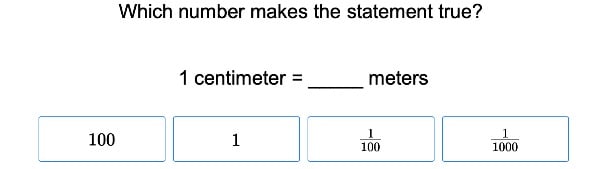





About Common Core Fractions Exercises
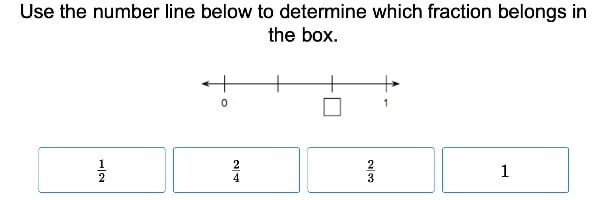
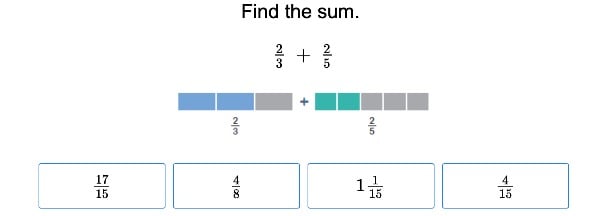
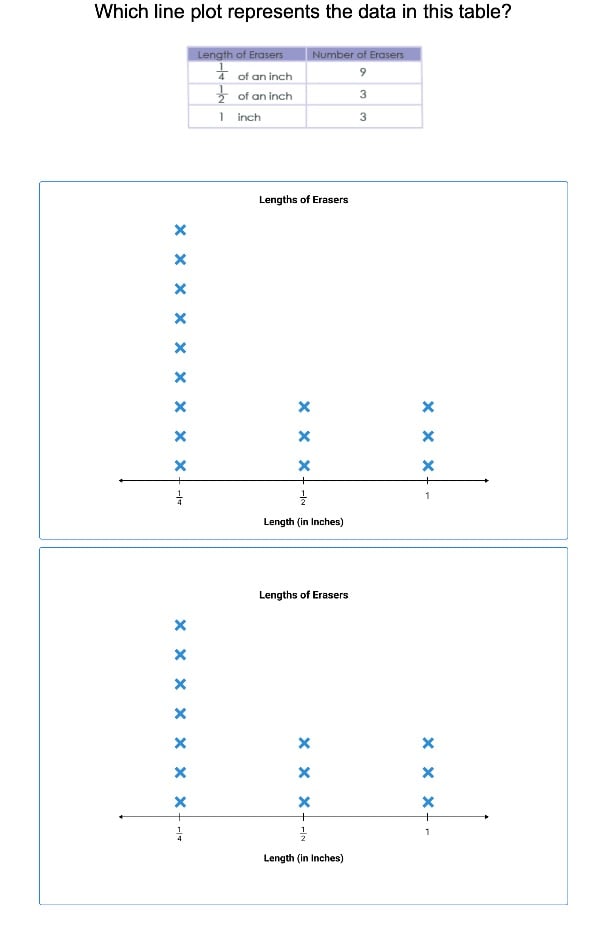
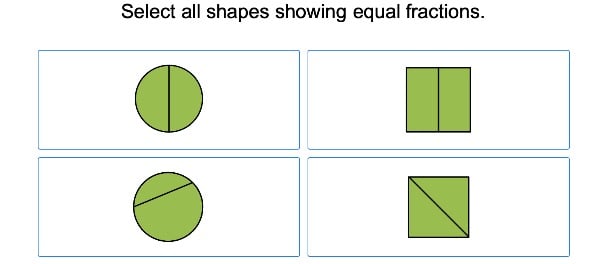
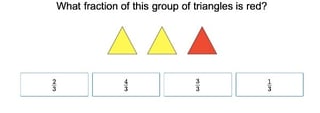
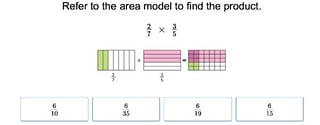
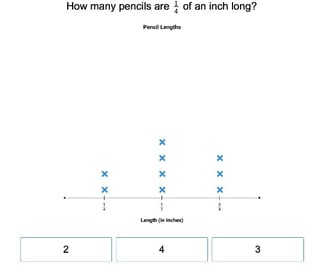
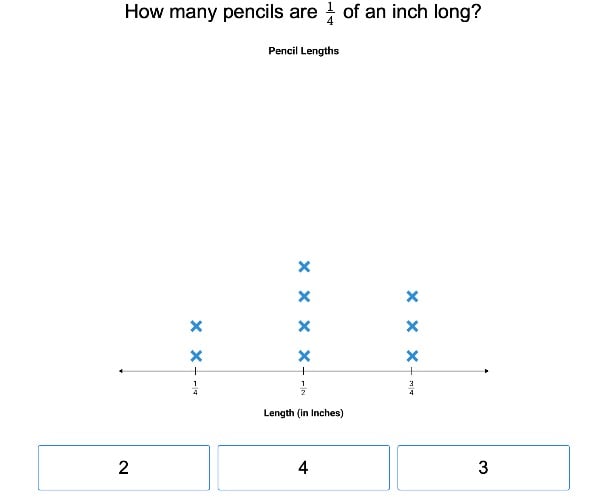
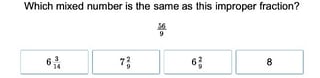
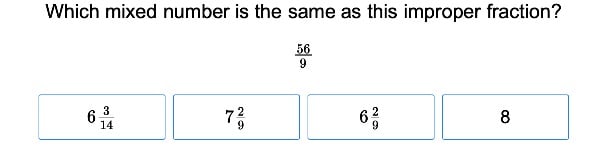
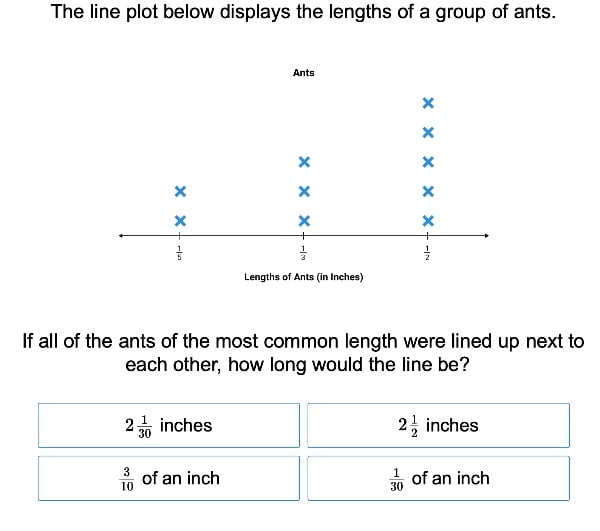
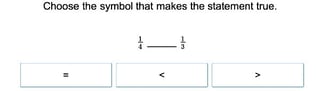
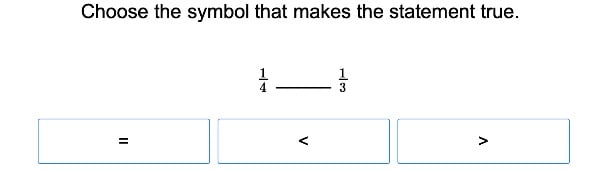
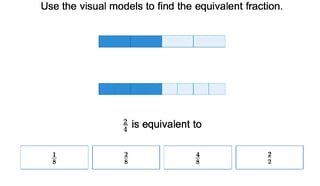
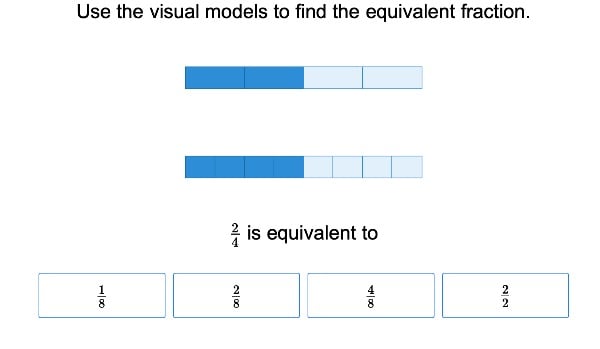
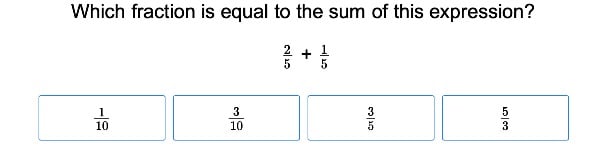
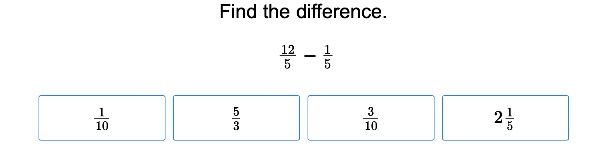
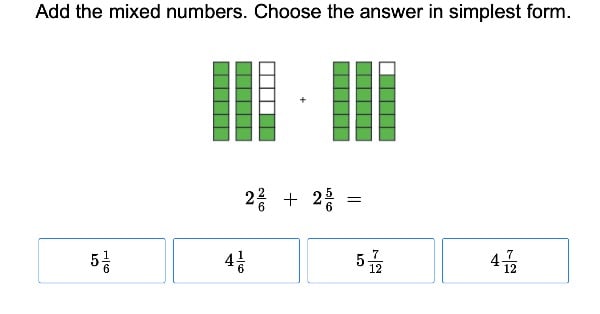
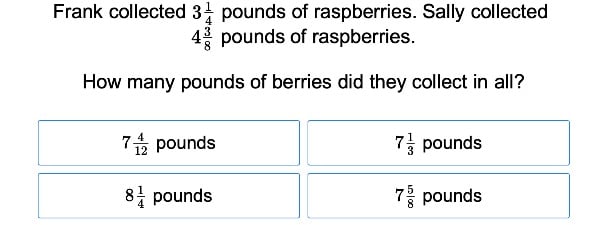
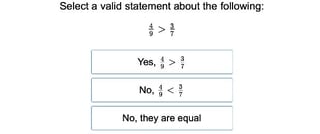
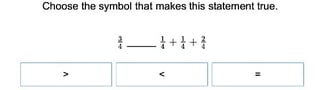
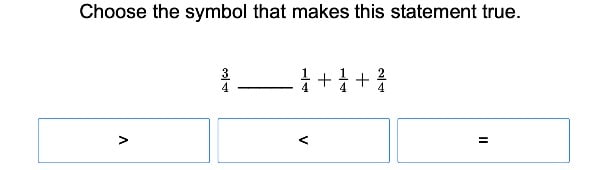
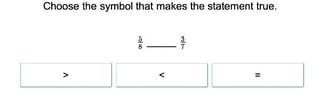
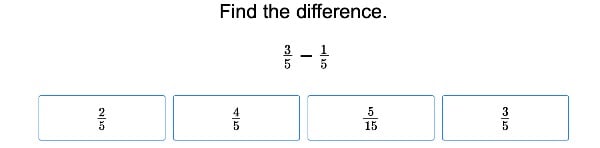
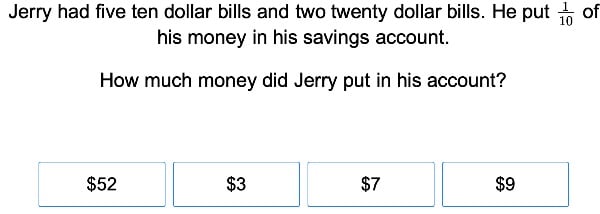
On Education.com, Common Core fraction exercises provide structured activities that teach students to identify unit fractions, generate equivalent fractions, compare fractions, and perform all four operations, including with mixed numbers and improper fractions. These exercises help students understand the conceptual foundation of fractions through visual models, number lines, and real-world word problems. By practicing these skills, learners can develop confidence and mastery that prepare them for advanced math concepts.
The Resources section on Education.com includes printable worksheets, interactive games, and digital lessons that allow teachers and parents to customize fraction practice for 3rd to 6th grade students. The materials reinforce foundational skills while providing engaging activities that make learning fractions fun. These resources support diverse learning styles and can be easily integrated into classroom instruction or at-home homework routines.
Using these fraction exercises at home or in the classroom helps create a structured learning environment that promotes problem-solving, critical thinking, and math fluency. Educators can assign worksheets that align with curriculum standards, while parents can provide hands-on practice across different types of fraction problems. This approach ensures consistent progress and makes mastery of fractions both accessible and enjoyable.
The Resources section on Education.com includes printable worksheets, interactive games, and digital lessons that allow teachers and parents to customize fraction practice for 3rd to 6th grade students. The materials reinforce foundational skills while providing engaging activities that make learning fractions fun. These resources support diverse learning styles and can be easily integrated into classroom instruction or at-home homework routines.
Using these fraction exercises at home or in the classroom helps create a structured learning environment that promotes problem-solving, critical thinking, and math fluency. Educators can assign worksheets that align with curriculum standards, while parents can provide hands-on practice across different types of fraction problems. This approach ensures consistent progress and makes mastery of fractions both accessible and enjoyable.