1st Grade Construction & Sculpture Classifying Two-Dimensional Shapes Resources

4 results
Math
✕1st Grade
✕Construction & Sculpture
✕4 results
Subtopics:
1st Grade Construction & Sculpture Classifying Two-Dimensional Shapes Resources
4 results
Math
✕1st Grade
✕Construction & Sculpture
✕4 results




About 1st Grade Construction & Sculpture Classifying Two-dimensional Shapes Resources
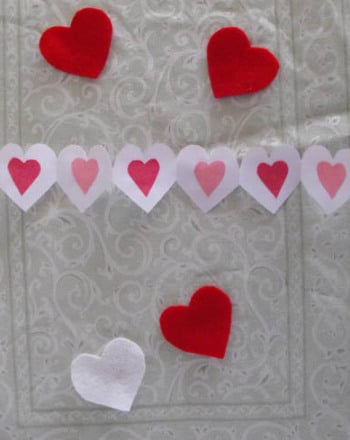
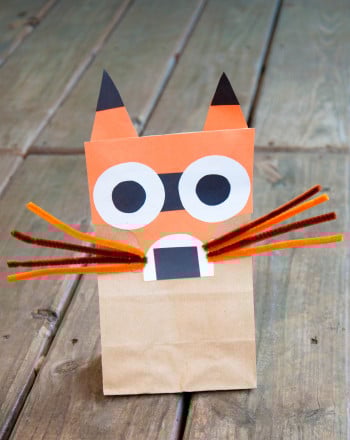
On Education.com, first-grade students can access a variety of construction and sculpture activities that help them learn to classify and understand two-dimensional shapes. These resources include printable worksheets, interactive puzzles, and hands-on art projects designed to build geometric awareness while encouraging creativity. Using structured activities, children can reinforce skills in shape recognition and develop fine motor coordination through engaging construction exercises. Educators and parents can use these materials to make learning about shapes fun and accessible for young learners.
On Education.com, parents and teachers can explore collections of art and math activities that promote the early study of two-dimensional shapes. Example resources feature step-by-step guides to creating paper sculptures and shape sorting games, allowing students to explore geometric concepts through practical exercises. These low-cost, age-appropriate activities help children practice sorting shapes by size, form, and pattern while developing spatial reasoning skills. Accessing this content simplifies planning shape-focused lessons across multiple classroom or home learning environments.
On Education.com, parents and educators can find construction and sculpture lesson plans featuring 1st grade math and art together. These guided projects combine shape classification with hands-on manipulation, fostering both creative expression and geometric understanding. Using step-by-step instructions and interactive worksheets, students learn to identify, compare, and categorize two-dimensional shapes while experimenting with spatial relationships. Such integrated lessons make exploring geometry both educational and enjoyable, supporting foundational math and art skills in young learners.
On Education.com, parents and teachers can explore collections of art and math activities that promote the early study of two-dimensional shapes. Example resources feature step-by-step guides to creating paper sculptures and shape sorting games, allowing students to explore geometric concepts through practical exercises. These low-cost, age-appropriate activities help children practice sorting shapes by size, form, and pattern while developing spatial reasoning skills. Accessing this content simplifies planning shape-focused lessons across multiple classroom or home learning environments.
On Education.com, parents and educators can find construction and sculpture lesson plans featuring 1st grade math and art together. These guided projects combine shape classification with hands-on manipulation, fostering both creative expression and geometric understanding. Using step-by-step instructions and interactive worksheets, students learn to identify, compare, and categorize two-dimensional shapes while experimenting with spatial relationships. Such integrated lessons make exploring geometry both educational and enjoyable, supporting foundational math and art skills in young learners.