Kindergarten Construction & Sculpture Classifying Two-Dimensional Shapes Resources

1 result
Math
✕Kindergarten
✕Construction & Sculpture
✕1 result
Subtopics:
Kindergarten Construction & Sculpture Classifying Two-Dimensional Shapes Resources
1 result
Math
✕Kindergarten
✕Construction & Sculpture
✕1 result
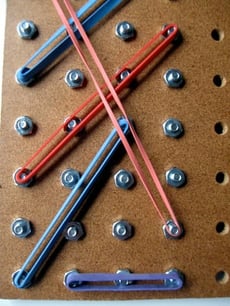

About Kindergarten Construction & Sculpture Classifying Two-dimensional Shapes Resources
On Education.com, this page provides resources for teaching kindergarten students about construction and sculpture activities that help them learn to classify two-dimensional shapes. Educators and parents can access lesson plans, worksheets, and activity ideas that introduce shapes like circles, squares, triangles, rectangles, and more, encouraging hands-on learning and exploration. These materials support early geometry skills and strengthen students' ability to recognize and sort shapes in creative ways.
Learning materials for this topic include printable worksheets, shape-sorting games, and interactive classroom activities that make geometry engaging and accessible for young children. These resources are designed to help students identify different shapes, understand their attributes, and develop visual and spatial awareness. Incorporating construction and sculpture projects into lessons fosters artistic expression while reinforcing geometric concepts.
By using these structured materials, teachers can save time planning engaging and educational activities while providing students with a problem-solving experience that combines creativity with mathematical understanding. At home, parents can use these resources to provide structured learning opportunities that enhance shape recognition and fine motor skills through building and sculpting exercises.
Learning materials for this topic include printable worksheets, shape-sorting games, and interactive classroom activities that make geometry engaging and accessible for young children. These resources are designed to help students identify different shapes, understand their attributes, and develop visual and spatial awareness. Incorporating construction and sculpture projects into lessons fosters artistic expression while reinforcing geometric concepts.
By using these structured materials, teachers can save time planning engaging and educational activities while providing students with a problem-solving experience that combines creativity with mathematical understanding. At home, parents can use these resources to provide structured learning opportunities that enhance shape recognition and fine motor skills through building and sculpting exercises.