
Kindergarten Comparing Weight Resources

















About Kindergarten Comparing Weight Resources
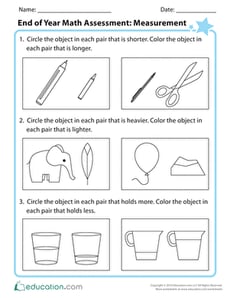
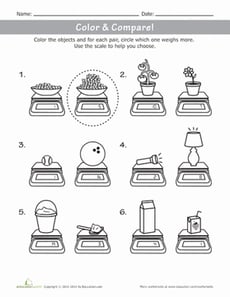
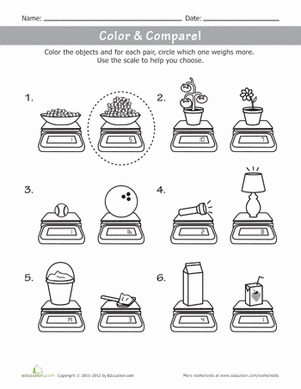
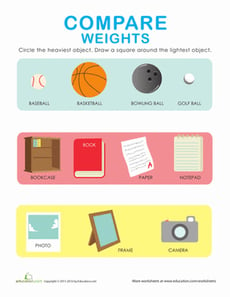
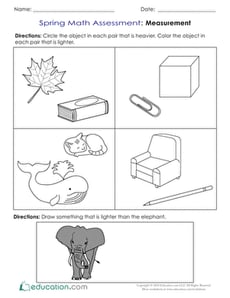
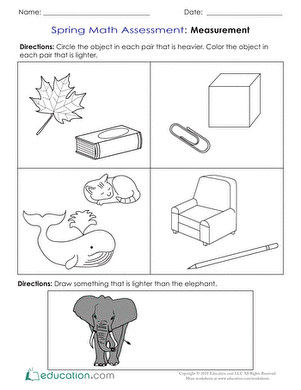
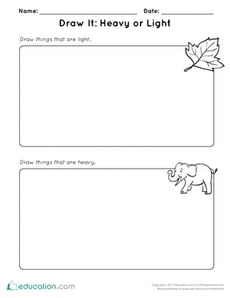
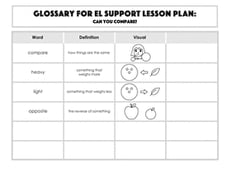
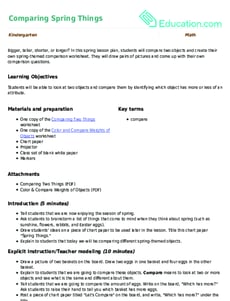
On Education.com, this page provides materials and activities to help children learn about comparing weights. Educators and parents can access tools such as printable worksheets, class exercises, and interactive games that make understanding weight differences accessible and engaging for early learners. These resources support foundational math skills, such as sorting objects by weight and applying comparison concepts in real-world contexts.
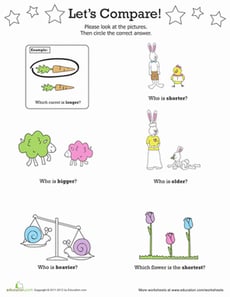
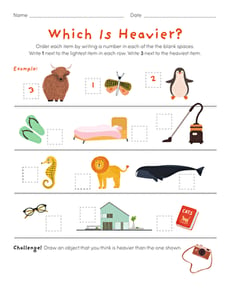
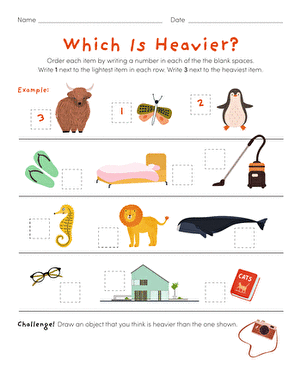
The page features a collection of resources that including variety of learning activities designed to enhance children’s understanding of comparing weights. Materials promote hands-on practice, critical thinking, and visual recognition of differences between objects. By providing structured exercises, children progress from simple weight comparisons to more advanced comparisons, building confidence in measurement and observation skills.
Educators and parents can save time by using ready-made lesson plans, printable comparison worksheets, and interactive games that reinforce understanding of weight concepts. These resources support structured learning at home or in the classroom while allowing children to explore measurements through fun and educational activities. Using accessible teaching tools encourages consistent practice and promotes early literacy in math and science.
The page features a collection of resources that including variety of learning activities designed to enhance children’s understanding of comparing weights. Materials promote hands-on practice, critical thinking, and visual recognition of differences between objects. By providing structured exercises, children progress from simple weight comparisons to more advanced comparisons, building confidence in measurement and observation skills.
Educators and parents can save time by using ready-made lesson plans, printable comparison worksheets, and interactive games that reinforce understanding of weight concepts. These resources support structured learning at home or in the classroom while allowing children to explore measurements through fun and educational activities. Using accessible teaching tools encourages consistent practice and promotes early literacy in math and science.