
Kindergarten Classifying Two-Dimensional Shapes Resources



























About Kindergarten Classifying Two-dimensional Shapes Resources
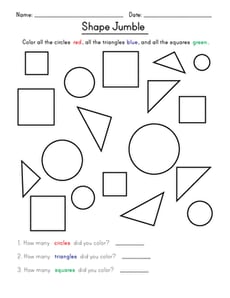
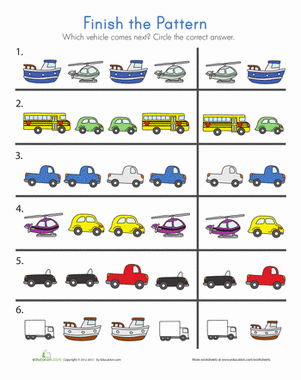
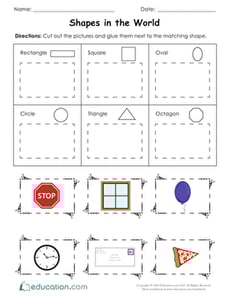
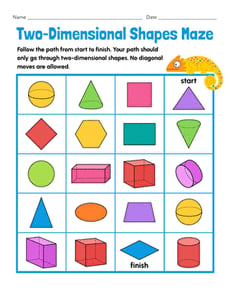
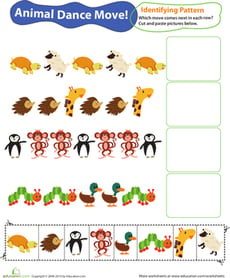
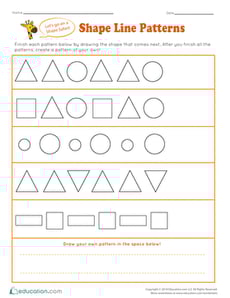
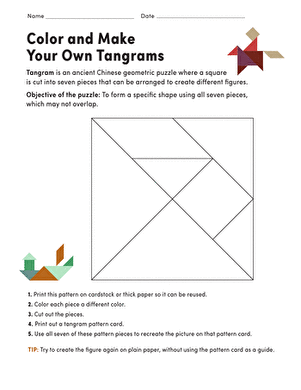
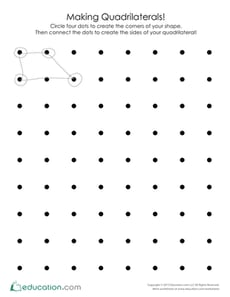
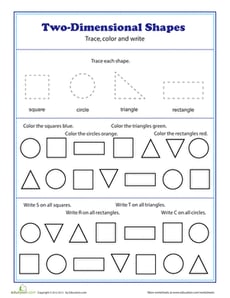
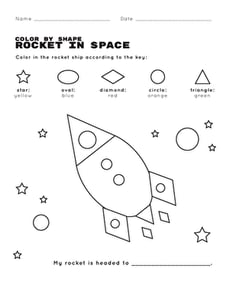
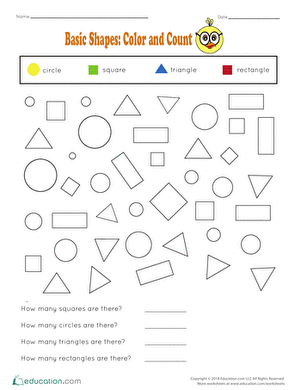
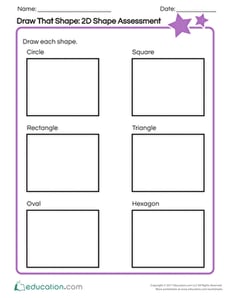
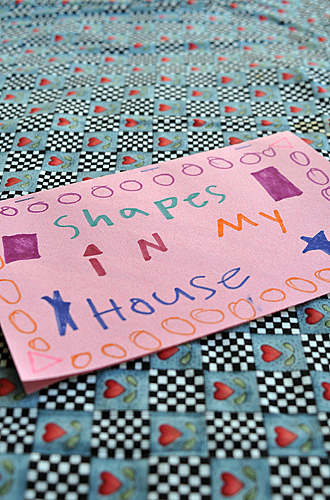
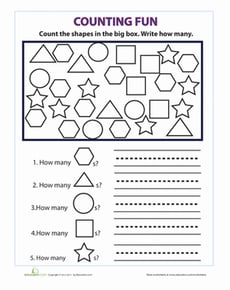
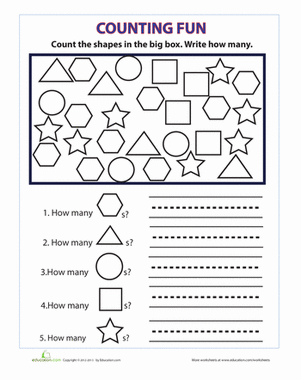
On Education.com, parents and teachers can explore resources focused on teaching kindergarteners to classify two-dimensional shapes. These include printable worksheets, hands-on activities, and interactive games that help young learners identify shapes based on attributes like sides and corners. By providing structured lessons and visual aids, these materials support early geometry education and shape recognition skills. Utilizing these resources promotes engaging and fun learning experiences for preschool students.
This page features printable shape classification worksheets, online games, and craft activities that introduce young learners to modeling, studying, and sorting flat shapes. Educators and parents can access materials that include shape books, video lessons, and classroom sets designed to reinforce foundational geometry concepts. These resources are designed for easy use in homeschooling or classroom settings, making early math and spatial reasoning accessible and engaging.
Using these shape classification resources helps young children build a solid understanding of geometric shapes and their properties while developing fine motor and categorization skills. Educators can streamline lesson planning with ready-to-use activities, while parents can enhance learning through structured, hands-on experiences at home. These materials make kindergarten geometry concepts both accessible and enjoyable, fostering curiosity and foundational math skills.
This page features printable shape classification worksheets, online games, and craft activities that introduce young learners to modeling, studying, and sorting flat shapes. Educators and parents can access materials that include shape books, video lessons, and classroom sets designed to reinforce foundational geometry concepts. These resources are designed for easy use in homeschooling or classroom settings, making early math and spatial reasoning accessible and engaging.
Using these shape classification resources helps young children build a solid understanding of geometric shapes and their properties while developing fine motor and categorization skills. Educators can streamline lesson planning with ready-to-use activities, while parents can enhance learning through structured, hands-on experiences at home. These materials make kindergarten geometry concepts both accessible and enjoyable, fostering curiosity and foundational math skills.