3rd Grade Common Core Phonics Worksheets
Common Core Quick Links:
Common Core Standards for 3rd Grade Math, Common Core Standards for 3rd Grade ELA
28 results
English Language Arts
✕Worksheets
✕3rd Grade
✕Common Core
✕28 results
3rd Grade Common Core Phonics Worksheets
Common Core Quick Links:
Common Core Standards for 3rd Grade Math, Common Core Standards for 3rd Grade ELA28 results
English Language Arts
✕Worksheets
✕3rd Grade
✕Common Core
✕28 results


















About 3rd Grade Common Core Phonics Worksheets
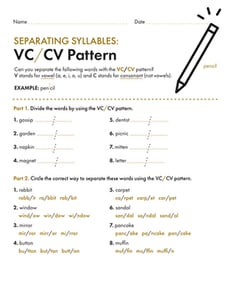
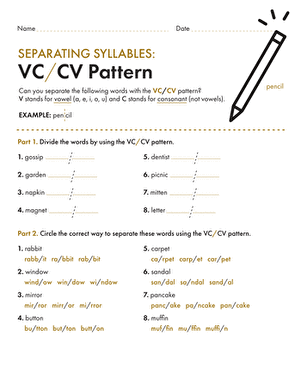
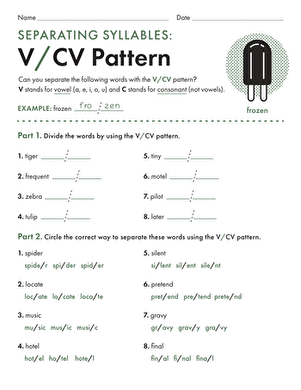
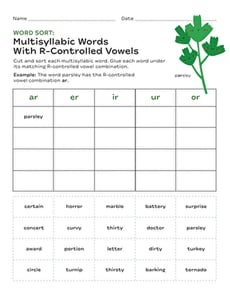
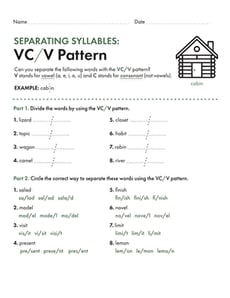
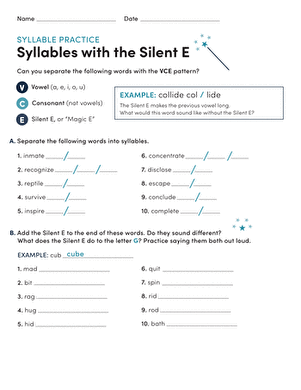
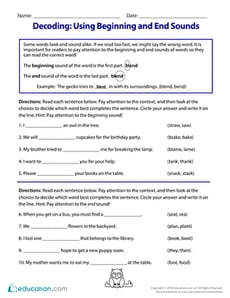
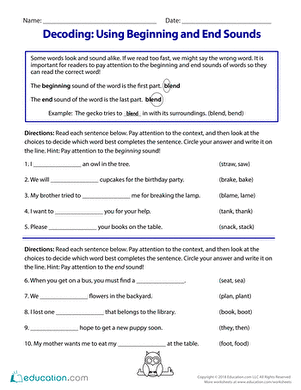
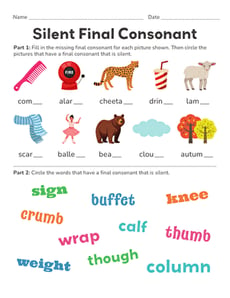
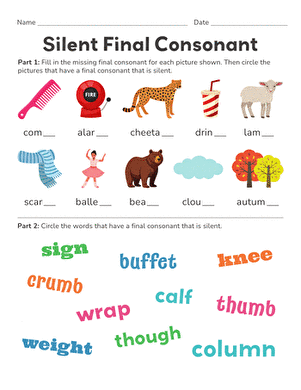
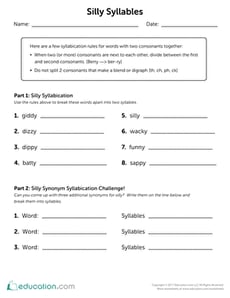
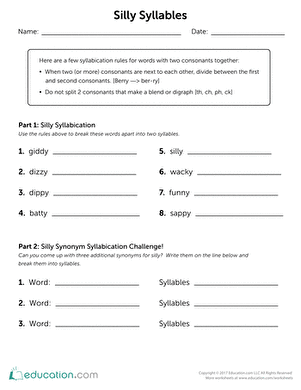
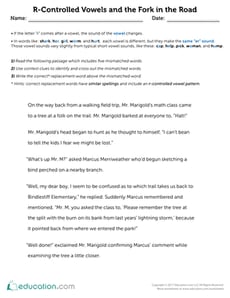
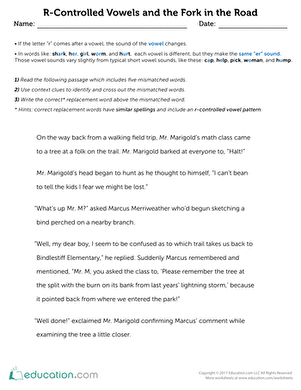
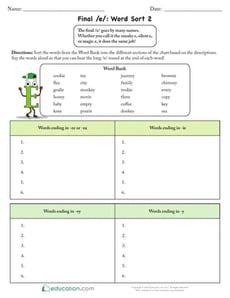
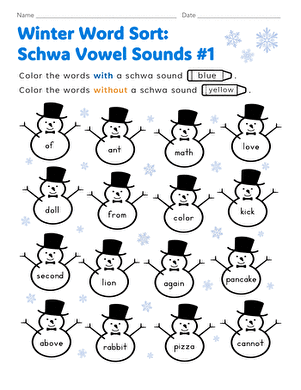
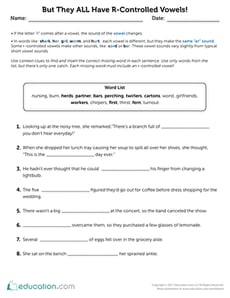
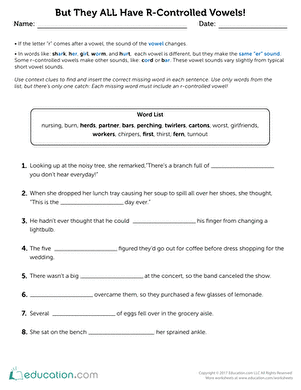
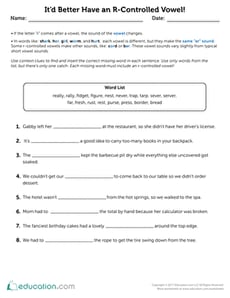
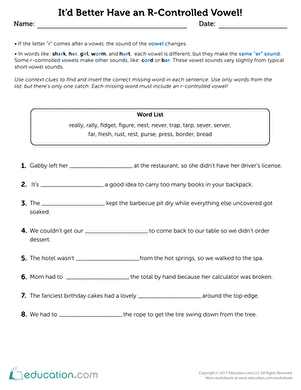
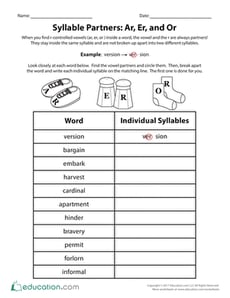
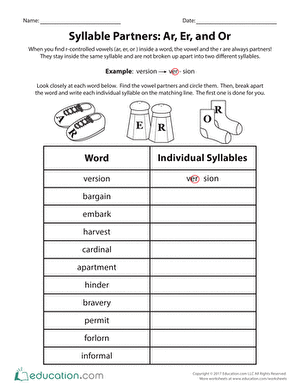
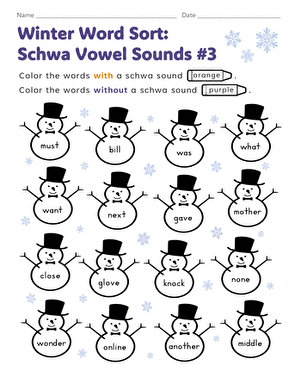
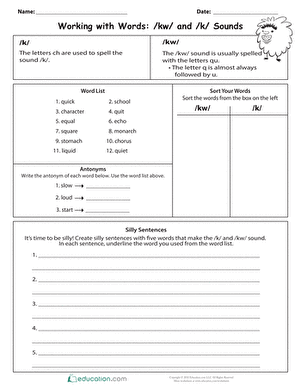
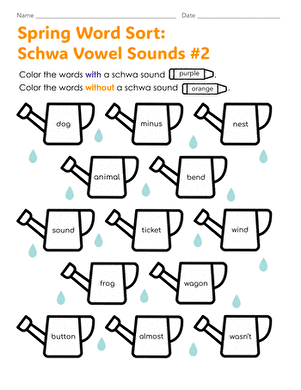
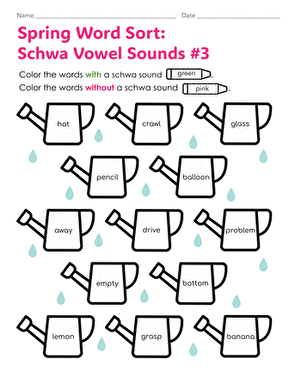
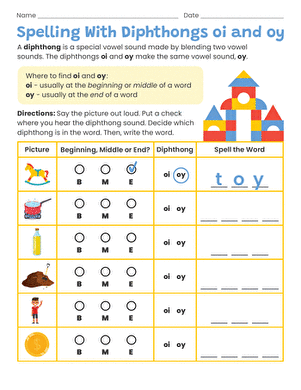
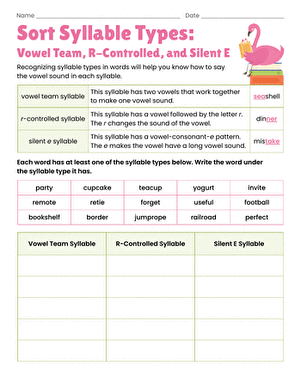
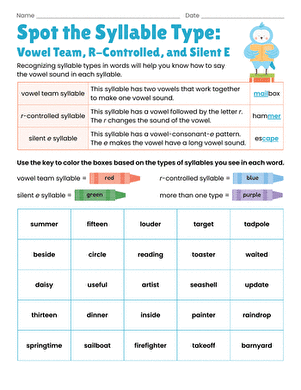
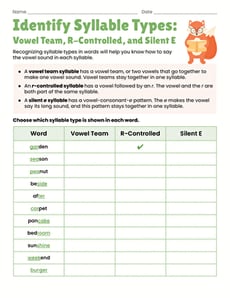
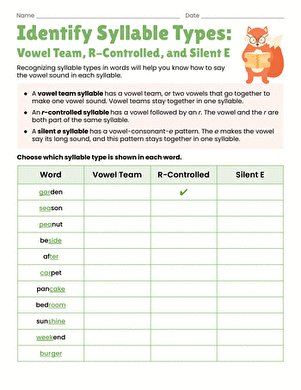
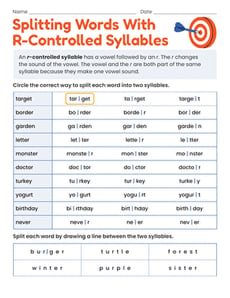
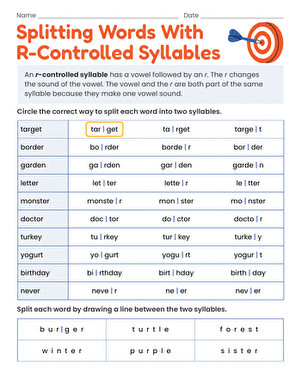
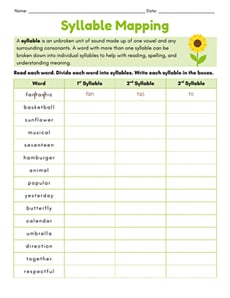
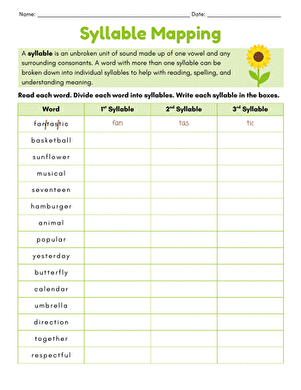
On Education.com, 3rd grade Common Core phonics worksheets and practice pages help students strengthen their foundational reading skills. These materials introduce learning strategies such as decoding multisyllabic words, recognizing prefixes and suffixes, and understanding vowel patterns. The digital format offers a wide range of printable worksheets, interactive exercises, and engaging activities that reinforce phonics concepts and support literacy development.
The website provides structured resources for educators and parents to integrate phonics practice into daily lessons. Materials include worksheets for letter sound recognition, exercises for blending sounds, and activities that enhance reading fluency. All resources support students in mastering phonetic rules while making learning enjoyable and accessible at home or in the classroom.
Using these resources, teachers and parents can efficiently reinforce phonics skills by providing structured practice that tracks progress over time. Lessons promote independent reading, improve vocabulary, and build confidence. The range of activities ensures variety and keeps students motivated while applying foundational reading rules to real-world texts.
The website provides structured resources for educators and parents to integrate phonics practice into daily lessons. Materials include worksheets for letter sound recognition, exercises for blending sounds, and activities that enhance reading fluency. All resources support students in mastering phonetic rules while making learning enjoyable and accessible at home or in the classroom.
Using these resources, teachers and parents can efficiently reinforce phonics skills by providing structured practice that tracks progress over time. Lessons promote independent reading, improve vocabulary, and build confidence. The range of activities ensures variety and keeps students motivated while applying foundational reading rules to real-world texts.