4th Grade Activities
948 results
Activities
✕4th Grade
✕948 results
4th Grade Activities
948 results
Activities
✕4th Grade
✕948 results











About 4th Grade Activities
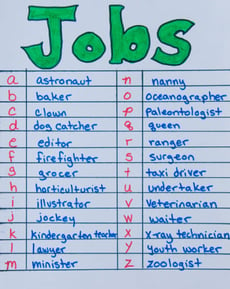
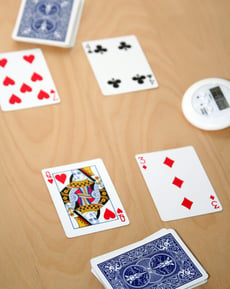
On Education.com, 4th grade activities introduce young learners to foundational literacy, math concepts, and critical thinking through engaging worksheets, printable games, and hands-on projects. These resources help students strengthen their reading, writing, and problem-solving skills in a structured yet creative way. Examples include spelling exercises, multiplication practice, and story-writing prompts that make learning interactive and enjoyable.
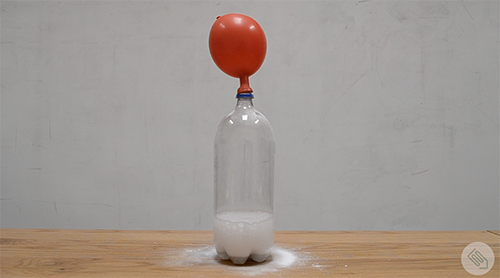
Educators and parents can use 4th grade worksheets and lessons to supplement classroom instruction or support homeschooling. Resources like multiplication flashcards, reading comprehension exercises, and science experiments provide structured, standards-aligned practice. Digital simulations and printable activities make it easy to track progress while keeping students engaged.
By incorporating these activities into the learning routine, teachers and parents save preparatory time and ensure that foundational skills are practiced regularly. Students gain confidence through structured practice, participating in educational games, quizzes, and creative projects that connect academics to hands-on learning experiences. These resources support a well-rounded education while fostering curiosity and enthusiasm for learning.
Educators and parents can use 4th grade worksheets and lessons to supplement classroom instruction or support homeschooling. Resources like multiplication flashcards, reading comprehension exercises, and science experiments provide structured, standards-aligned practice. Digital simulations and printable activities make it easy to track progress while keeping students engaged.
By incorporating these activities into the learning routine, teachers and parents save preparatory time and ensure that foundational skills are practiced regularly. Students gain confidence through structured practice, participating in educational games, quizzes, and creative projects that connect academics to hands-on learning experiences. These resources support a well-rounded education while fostering curiosity and enthusiasm for learning.