
4th Grade Text Features Lesson Plans


















About 4th Grade Text Features Lesson Plans
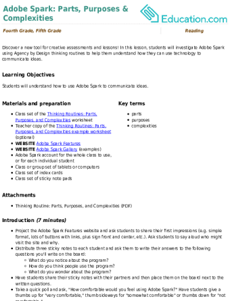
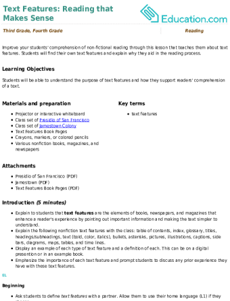
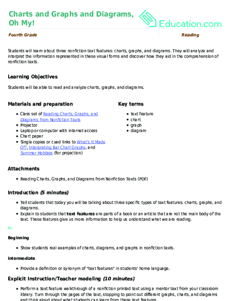
On Education.com, 4th grade text features lesson plans guide students in recognizing and understanding key nonfiction elements such as headings, captions, bold print, and glossaries. These lessons help young readers connect text features to comprehension by providing clear examples and printable activities.
The site offers worksheets, interactive exercises, and teacher resources that enable educators and parents to teach students how to identify and interpret text features. Resources include hands-on lessons, digital simulations, and visual aids that make reading instruction engaging and accessible.
Educators and parents can use these lesson plans to track progress, differentiate instruction for diverse learning needs, and reinforce comprehension skills across reading activities. Each resource aims to build confidence and improve reading fluency through practical application of text feature identification.
The site offers worksheets, interactive exercises, and teacher resources that enable educators and parents to teach students how to identify and interpret text features. Resources include hands-on lessons, digital simulations, and visual aids that make reading instruction engaging and accessible.
Educators and parents can use these lesson plans to track progress, differentiate instruction for diverse learning needs, and reinforce comprehension skills across reading activities. Each resource aims to build confidence and improve reading fluency through practical application of text feature identification.