1st Grade Life Science Activities

44 results
Science
✕Activities
✕1st Grade
✕44 results
Subtopics:
1st Grade Life Science Activities
44 results
Science
✕Activities
✕1st Grade
✕44 results












About 1st Grade Life Science Activities
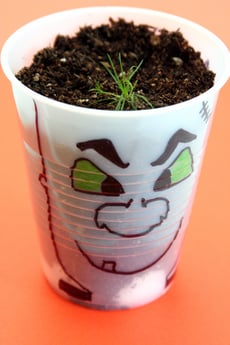
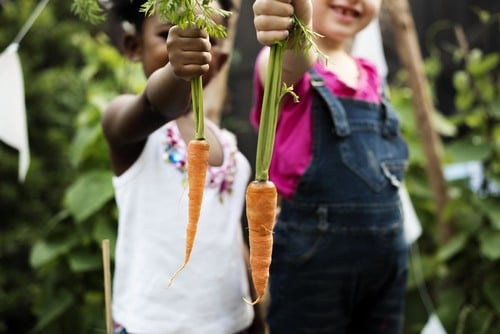
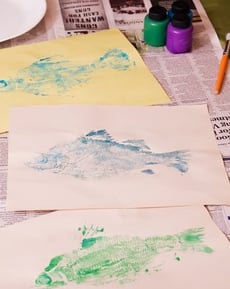
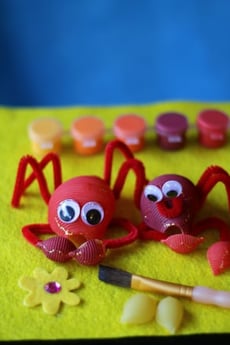
On Education.com, first-grade life science activities provide hands-on exploration of plants, animals, and habitats, helping young students observe and classify different living things. This content introduces kids to fundamental biological concepts while engaging their natural curiosity through activities, observation exercises, and beginner-friendly experiments.
This page offers a variety of printables, such as worksheets, observation charts, and interactive lesson plans. These resources support early science education by making the study of life cycles, plant needs, and animal traits both fun and accessible for young learners. Educators and parents can use these materials to create engaging and educational classroom or home learning environments.
Using these activities and worksheets saves time on lesson planning while providing structured opportunities for children to practice scientific observation, classification, and reasoning skills. Students can develop a stronger understanding of the living world through colorful, easy-to-follow exercises tailored to first graders.
This page offers a variety of printables, such as worksheets, observation charts, and interactive lesson plans. These resources support early science education by making the study of life cycles, plant needs, and animal traits both fun and accessible for young learners. Educators and parents can use these materials to create engaging and educational classroom or home learning environments.
Using these activities and worksheets saves time on lesson planning while providing structured opportunities for children to practice scientific observation, classification, and reasoning skills. Students can develop a stronger understanding of the living world through colorful, easy-to-follow exercises tailored to first graders.