Kindergarten Life Science Activities

84 results
Science
✕Kindergarten
✕Activities
✕84 results
Subtopics:
Kindergarten Life Science Activities
84 results
Science
✕Kindergarten
✕Activities
✕84 results
















About Kindergarten Life Science Activities
On Education.com, Kindergarten Life Science activities introduce young children to the natural world. These hands-on experiments and exploration exercises help students learn about plants, animals, habitats, and basic biological concepts. Educators and parents can access interactive worksheets, printable activities, and simple experiments that make learning science engaging and accessible for young learners.
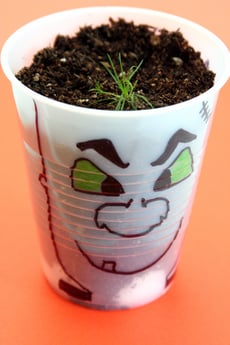
Hundreds of Kindergarten Life Science resources on Education.com provide structured lesson plans, classroom activities, and practice exercises. Materials include plant growth experiments, habitat investigations, and projects illustrating animal behavior. By using these educator-designed resources, students develop curiosity about living things, observe biological processes, and deepen their understanding of nature.
This collection on Education.com saves teachers and parents time by providing ready-to-use materials that promote active learning. Students can explore nature through sensory activities, observe life cycles, and conduct experiments on growability and change. These resources make it easy to incorporate science education into everyday learning at school or at home.
Hundreds of Kindergarten Life Science resources on Education.com provide structured lesson plans, classroom activities, and practice exercises. Materials include plant growth experiments, habitat investigations, and projects illustrating animal behavior. By using these educator-designed resources, students develop curiosity about living things, observe biological processes, and deepen their understanding of nature.
This collection on Education.com saves teachers and parents time by providing ready-to-use materials that promote active learning. Students can explore nature through sensory activities, observe life cycles, and conduct experiments on growability and change. These resources make it easy to incorporate science education into everyday learning at school or at home.