4th Grade Recycled Crafts Activities
45 results
4th Grade
✕Activities
✕Recycled Crafts
✕45 results
4th Grade Recycled Crafts Activities
45 results
4th Grade
✕Activities
✕Recycled Crafts
✕45 results












About 4th Grade Recycled Crafts Activities
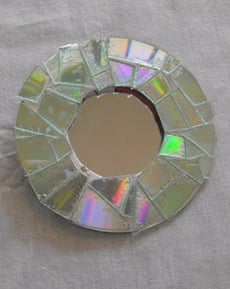
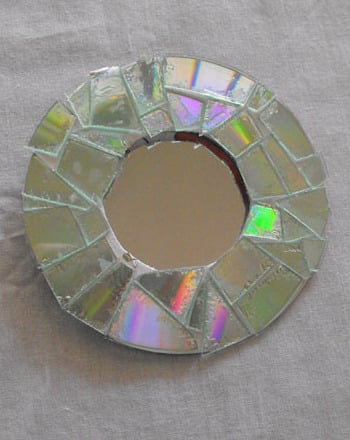
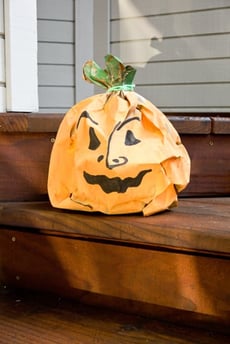
On Education.com, parents and teachers can find a variety of recycled crafts activities that are perfect for 4th grade classrooms and at-home learning. These projects involve transforming everyday waste materials into creative art, practical items, or seasonal decorations. Examples include making egg carton flowers, plastic bottle planters, cardboard box robots, and decorative items from newspapers or old CDs. By engaging in these activities, children can develop creativity, fine motor skills, and environmental awareness while having fun.
This page on Education.com offers printable worksheets, step-by-step craft guides, and lesson plans that make it easy to incorporate recycled crafts into any learning setting. Educators and parents can access resources that organize projects by theme, complexity, or material type, helping children practice critical thinking, problem-solving, and sustainability concepts. Many activities also support cross-curricular learning, combining art with science, math, or recycling principles.
Using this collection of 4th grade recycled crafts activities provides a structured way to encourage hands-on creativity, teach sustainability, and keep children engaged in meaningful projects. These ready-to-use resources save time by offering organized instructions, printable templates, and classroom-ready materials. Supporting at-home or classroom learning with practical arts and crafts reinforces innovation, resourcefulness, and environmental responsibility.
This page on Education.com offers printable worksheets, step-by-step craft guides, and lesson plans that make it easy to incorporate recycled crafts into any learning setting. Educators and parents can access resources that organize projects by theme, complexity, or material type, helping children practice critical thinking, problem-solving, and sustainability concepts. Many activities also support cross-curricular learning, combining art with science, math, or recycling principles.
Using this collection of 4th grade recycled crafts activities provides a structured way to encourage hands-on creativity, teach sustainability, and keep children engaged in meaningful projects. These ready-to-use resources save time by offering organized instructions, printable templates, and classroom-ready materials. Supporting at-home or classroom learning with practical arts and crafts reinforces innovation, resourcefulness, and environmental responsibility.