
Activity
Seder Plate Craft

Want to make a decorative paper plate that won't spoil? Help your child make a mixed media seder plate, one of the most important elements of the Passover celeberation. Traditionally, five items are placed on the plate: a shank bone (to symbolize an offering), a boiled egg (to symbolize festival offerings), maror or bitter herbs (bitter or sadness), charoset (a mixture of apples, nuts, and cinnamon that translate into the word clay), and karpas or parsley (dipped into salt water to represent tears). Use this opportunity to discuss the importance of each element of the plate with your child to put the symbolic nature of Seder into context.
Related learning resources
Color the Seder Plate
Worksheet
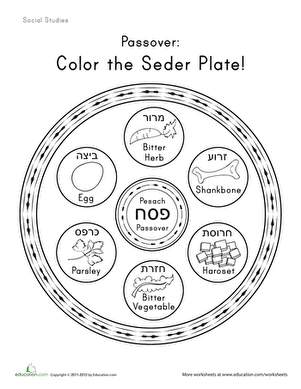
Color the Seder Plate
Help your child learn more about the traditions of Passover with this coloring page of a typical Seder plate.
1st Grade
Worksheet
Angel Craft
Activity
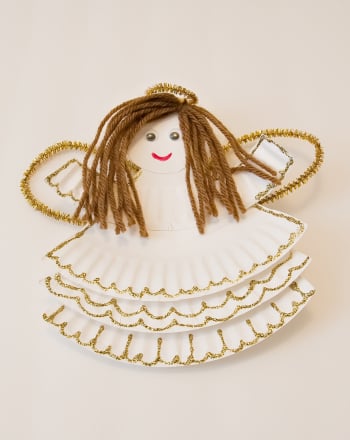
Angel Craft
This angel craft for kids makes for a beautiful Christmas decoration. Make an angel craft for kids this holiday season.
Kindergarten
Activity

Turtle Craft
Activity
Turtle Craft
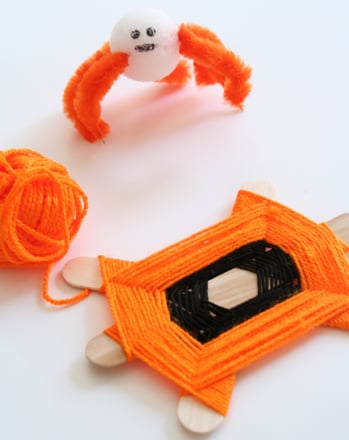
Build up those kindergarten letter-sound reading skills...and create a whimsical, practical craft at the same time.
Kindergarten
Activity